The Republic of Equatorial Guinea is a strategically positioned Central African coastal State with sovereign access to the Atlantic Ocean via the Gulf of Guinea. Its maritime domain, comprising both an extensive continental coastline and an insular region (Bioko and Annobón), is a vital engine for national prosperity. In 2026, Equatorial Guinea continues to enhance its role as a regional energy and logistics hub, serving as a gateway for international commerce and a key partner for land-locked neighbors in the CEMAC region.
Equatorial Guinea's maritime sector is characterized by advanced offshore energy operations, expanding port infrastructure, and a growing commitment to the “Blue Economy.” The sector supports large-scale shipping, specialized offshore logistics, and industrial fisheries, contributing significantly to the nation's economic resilience and regional connectivity.

Geographic and Maritime Context
The Republic of Equatorial Guinea's maritime jurisdiction extends across the Gulf of Guinea, administered under UNCLOS and national legislation. Its unique geography provides a vast Exclusive Economic Zone (EEZ) rich in hydrocarbons and marine biodiversity.
Strategic international and regional shipping lanes.
Advanced deep-water oil and gas terminal operations.
Industrial-scale coastal and offshore maritime activities.
Integrated maritime transport networks serving Central Africa and the Gulf of Guinea.
Infrastructure
Ports and Maritime Infrastructure
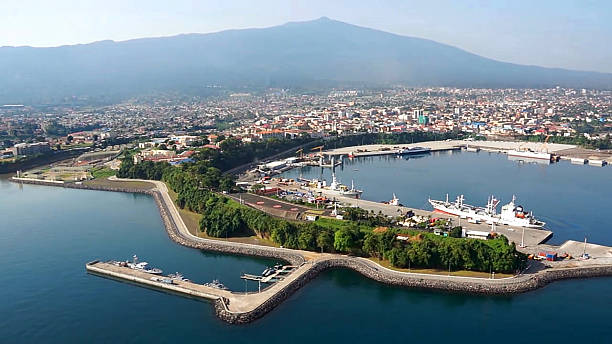
Equatorial Guinea has invested heavily in modernizing its port facilities to handle increased container traffic, bulk cargo, and offshore support services. Major ports such as Malabo, Bata, and the specialized energy terminals at Luba and K-5 serve as critical nodes in the national transport network.
Recent developments focus on the “Gas Mega Hub” initiative, optimizing maritime infrastructure to process and export gas resources from domestic and neighboring fields.
Governance
Maritime Administration and Governance
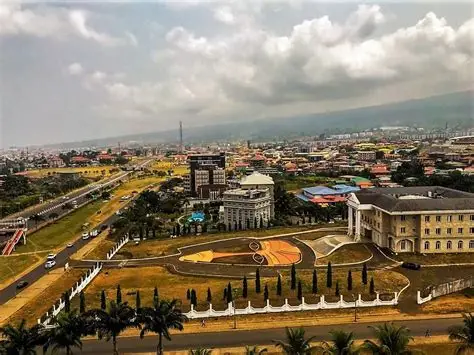
The maritime domain is governed by the Ministry of Transport, Posts and New Information and Communication Technologies, with the Equatorial Guinea Maritime Authority overseeing regulatory compliance. Governance is aligned with the Yaoundé Architecture for maritime safety and security in the Gulf of Guinea.
The administration is focused on strengthening Flag State and Port State control, ensuring vessels adhere to rigorous safety, environmental, and labor standards.
International Maritime Engagement
Equatorial Guinea is an active participant in the international maritime community, maintaining a strong commitment to the IMO and ILO frameworks. In late 2025 and 2026, the country reached significant milestones in environmental protection and regional diplomacy.
Environmental Stewardship
Adherence to the Ballast Water Management (BWM) and Anti-Fouling Systems (AFS) Conventions.
Global Safety Standards
Full implementation of the SOLAS and MARPOL conventions.
Regional Cooperation
Active leadership within MOWCA and the Gulf of Guinea Commission.
Human Element
Alignment with the Maritime Labour Convention (MLC) to protect the rights of seafarers.
Objectives
National Maritime
Objectives
Equatorial Guinea's maritime policy for 2026 is driven by the goal of transforming the nation into a leading maritime power in West Africa through sustainable development and security.
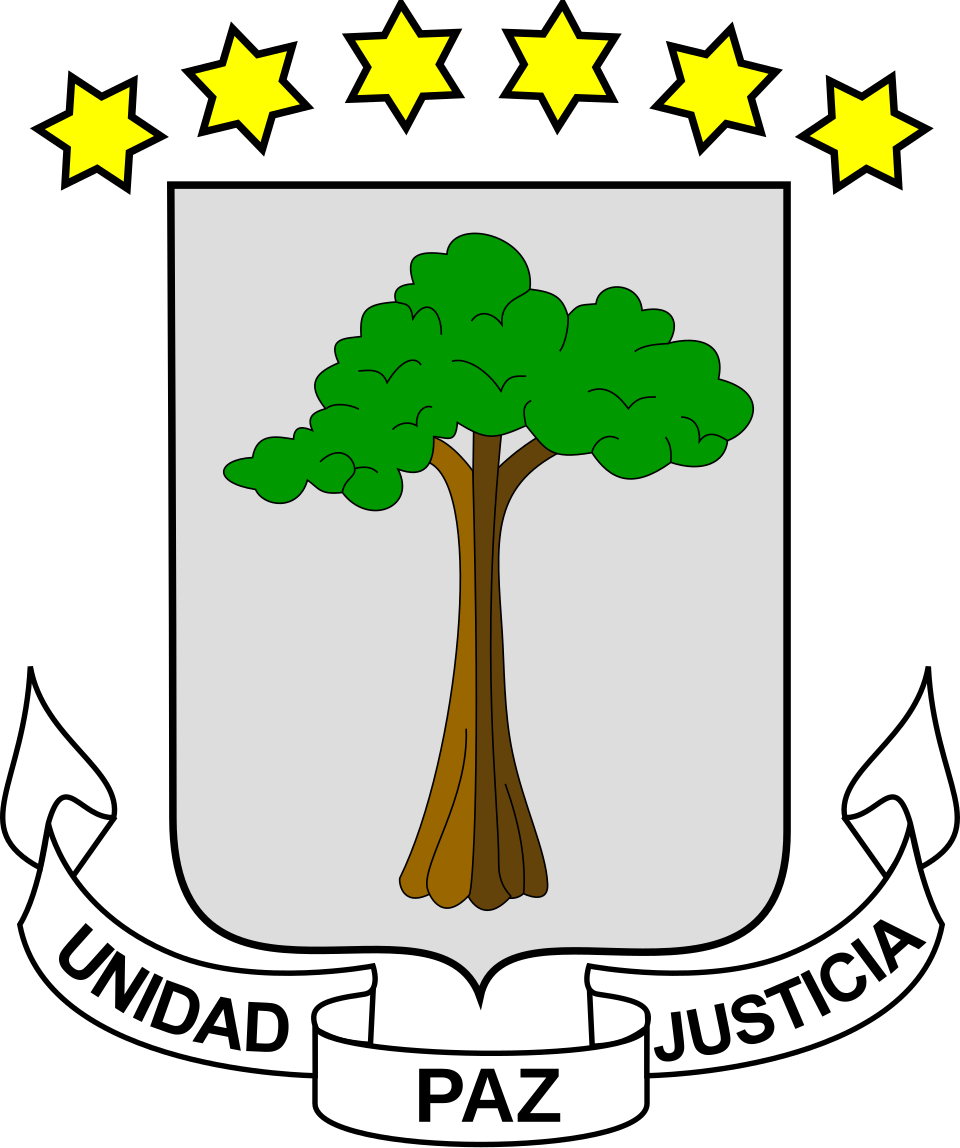
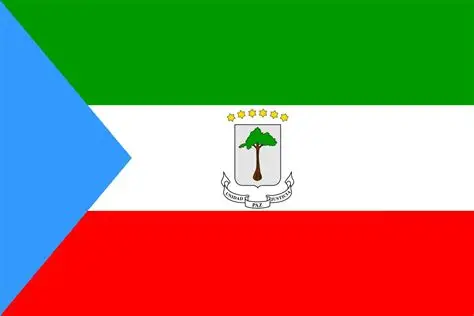
Republic of
Equatorial Guinea
01
Maritime Safety & Security
Strengthening surveillance and interdiction capabilities to combat piracy and illegal activities.
02
Sustainable Marine Protection
Implementing advanced subsea technologies and regulations to protect the marine ecosystem.
03
Economic Diversification
Promoting the “Blue Economy” through sustainable fisheries and maritime tourism.
04
Infrastructure Excellence
Completing the transition to fully automated port community systems for efficient trade.
Capacity Building
05
Investing in specialized maritime training to empower a professional national workforce.